


Most people picture their IRA as a stack of mutual funds sitting quietly in a brokerage account. Stocks go up, stocks go down, and the statement shows up once a quarter.
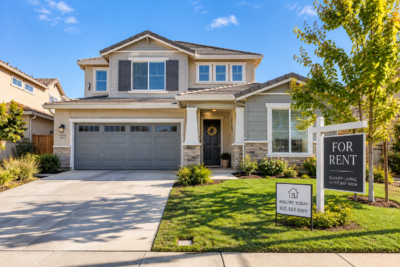
What most people do not picture is that same IRA holding title to a rental property in Concord, a duplex in Vallejo, or a single family home near Walnut Creek BART.
It is legal. It is not new. And a growing number of California investors are asking about it as they look for ways to put retirement dollars into something they can drive past.
Before you get too far into the idea, there are things worth understanding, and a few conversations worth having with the right people first.
This post is a starting point, not financial advice. Your CPA and financial advisor need to weigh in before you make any moves.
What a Self-Directed IRA Actually Is
A traditional brokerage IRA holds publicly traded assets. Stocks, bonds, mutual funds, ETFs.
A self-directed IRA works under different mechanics. It uses a specialty custodian and allows a wider range of holdings, including real estate. The IRS rules on contributions, distributions, and tax treatment still apply. What changes is what the account is allowed to own.
The IRA Owns the Property, Not You
Instead of shares of a real estate fund, the IRA itself can hold title to an actual property. You do not personally own the home. The IRA does.
Every dollar of rental income, every property expense, and every dollar of sale proceeds flows through the account, not through you.
That distinction is the whole ballgame, and it is where most of the rules and the pitfalls live.
Three Ways Investors Structure the Purchase
There is more than one path to owning real estate inside an IRA, and each comes with tradeoffs.
Buying With IRA Cash
Some investors use IRA cash to buy the property outright. That keeps the transaction simple and clean, but it concentrates a big share of retirement savings in a single asset.
Partnering With Other Funds or Investors
Others partner the IRA with personal funds or with another investor, splitting ownership on paper and splitting returns the same way.
Using Non-Recourse Financing
A third route uses non-recourse financing, where a specialty lender loans money to the IRA itself and only the property serves as collateral.
Each of these has different tax implications, contribution rules, and prohibited transaction rules attached to it.
A CPA and a financial advisor need to walk through the structure with you before you sign anything, because the wrong setup can trigger tax events that turn a good investment into a painful one.
Why This Comes Up From California Investors
California has a specific investor profile for this strategy, and the East Bay sees it often.
Different East Bay Markets Serve Different Investment Goals
Concord and Antioch attract buyers looking at long term rentals at reasonable entry prices. Vallejo and parts of Solano County draw interest from investors who want cash flow first and appreciation second.
Walnut Creek and Lafayette owners sometimes ask about a second property that generates rental income for the retirement stretch. Rossmoor sellers sometimes explore the reverse, using an IRA to fund the next phase after downsizing.
Location and Rental Demand Matter
Homes near the Pleasant Hill and Walnut Creek BART stations tend to rent well, which matters because an IRA held property has to hold up as an investment.
It cannot be a place you use on weekends, a place you rent to family, or a place you fix up with your own hands.
Those are prohibited transactions, and the penalties are steep enough to make the rules worth respecting from day one.
What to Sort Out Before You Buy
A few practical items come up every time.
Set Up the Right Custodian
You need a self-directed IRA custodian in place before you make an offer, because the account itself has to be the buyer of record on the contract.
Understand Prohibited Transactions
You need a clear read from your CPA on prohibited transaction rules, since those decide who you can rent to and who you cannot work with on the property.
Plan for Property Expenses
You need a realistic view of holding costs, since the IRA has to cover property taxes, insurance, HOA dues, and repairs out of its own funds.
Think About Your Eventual Distribution
You also need a plan for eventual distribution, since the property has to be sold or transferred when you start taking retirement income.
None of this is a dealbreaker. Each piece is a real conversation, and the ones who succeed with this strategy tend to be the ones who set the foundation carefully before the first offer goes out.
Looking at Investment Properties in the East Bay?
My role in this is the real estate side, not the financial side.
What I can do is help you look at properties across the East Bay that fit an investment thesis, run the numbers on rent versus carrying costs for specific pockets of California, and coordinate with your CPA or advisor as you sort out the structure.
If you are curious whether a rental in Concord, a small multifamily in Vallejo, or something else could work inside an IRA structure, give me a call at 925-250-5856.
We can talk through what the current California market looks like for investment property, and from there your financial team can take it the rest of the way.